I looked back at this story on a whim Friday morning-- Friday, a day off, which I am still profoundly grateful for. I spent the day writing a new piece that started running through my mind at the beginning of the month (but really, as with most of what I write) has been running through my mind and in strands of things I've written for years and years. Something told me to return to Munro. I'd started writing with an older narrator in mind, but I want to travel back in time, too, to the things she recalls and the ways they still affect her, and Munro is a perfect text to study for how to deal with memory.
She has so many stories that are written in present-tense, but are truly about a vividly remembered past. Walker Brothers Cowboy is one. The narrator is eight or nine; it is the 1930s in Canada; her family is poor. But the memory is so strong, so vivid, that the piece begins: "my father says," "We leave my mother" (3). About halfway through, the story-teller breaks through the immediacy of the past with, "The 1930s. How much this kind of farmhouse, this kind of afternoon seem to me to belong to that one decade in time, just as my father's hat does, his bright flared tie, our car with its wide running board (an Essex past its prime)" (9). It is not that the story is happening now, but that it is happening in this narrator's consciousness now, as she remembers and can put language to the things she perceived as a child but could never have said then.
The story is about her father, the mystery of him. It's very similar to Royal Beatings in theme an execution, though not so brutal. The narrator and her brother go with their father on his Walker Brothers route through the country, and they wind up at an old farmhouse where there father knows a Catholic lady. It's clear the father was involved with the woman in the past, but not clear what he's trying to get out of the visit, or what he's trying to share with his kids or the woman, Nora, by bringing his past and present together in an old kitchen with a scrubbed oilcloth-covered table. Nora dresses up for her visitors, serves their father whisky, and she dances. The line above, where the narrator notices the imperfections of Nora's body, seem to me the lines that make Nora human and real, and consequently, everyone else in the story begins to carry the same kind of mysterious dignity.
I like to think she might have danced with the children's father in a place like the one above. Also, I think this Walker Evans' portrait captures her essence.
I also noticed the ending on this read, and how Chekhovian Munro can be. She gestures outward, shows that the inscrutable character and past of the narrator's father is as large and wide as the changeable water and sky:
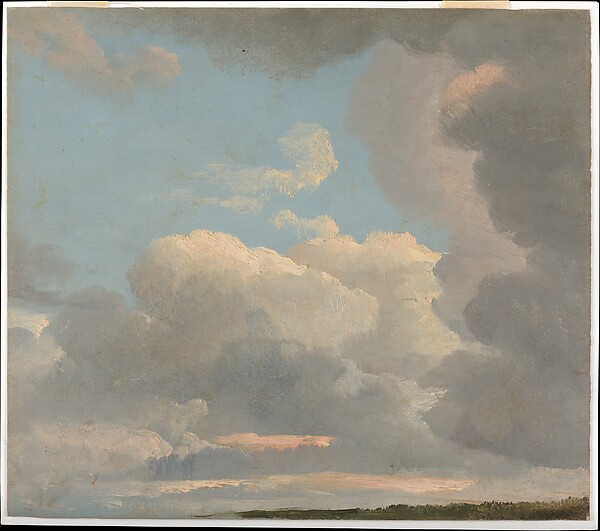
"So my father drives and my brother watches the road for rabbits and I feel my father's life flowing back from our car in the last of the afternoon, darkening and turning strange, like a landscape that has an enchantment on it, making it kindly, ordinary and familiar while you are looking at it, but changing it, once your back is turned, into something you will never know, with all kinds of weathers, and distances you cannot imagine.
When we get closer to Tuppertown the sky becomes gently overcast, as always, nearly always, on summer evenings by the Lake" (18).